
Early last year I wrote about why being “digitally competent” has above all to do with our own wellbeing, our ability to act and our place in the digital society.
Episode 10.1 - if you're well, it will go well 🙂DocIsInDaHouse
Back then, DigComp 2.2 was the reference framework in the background. Since then, DigComp 3.0 has opened a new chapter, and it brings a number of improvements we can use to develop our “digital wellbeing” in a targeted way.
What stays the same: the scaffolding holds
The good news first: DigComp 3.0 still rests on the five familiar competence areas:
- Information & data
- Communication & collaboration
- Digital content creation
- Safety
- Problem solving
The 21 competences remain as the structure, so we don’t have to start from scratch. DigComp thus remains an excellent frame of reference for describing, fostering and measuring digital skills.
At the same time, this stability signals something crucial: the core of what we need in our digital everyday lives is no seasonal fashion trend. It is fairly stable. The changes happen below the surface.
What changes: language, depth, ambition
DigComp 3.0 reworks the wording of the competence areas and descriptions without introducing needless new “buzzword categories”. That sounds technical, but it matters: terms are sharpened, updated and brought closer to our current reality, from AI-supported systems to new forms of hybrid collaboration. As a result, the learning objectives finally become more tangible and easier to connect to education, further training and people development.
A second important lever is the revised proficiency levels. The levels are described more clearly and aligned more closely with real-world use situations. That makes it much easier to design programmes, role profiles or assessments properly.
AI woven through, not bolted on
One of the most visible innovations: AI competence isn’t hung on the side as an extra box but integrated across the entire model. DigComp 3.0 treats systems based on artificial intelligence, including generative AI, as a cross-cutting theme. They affect us when searching for information just as much as in collaboration, content creation and safety.
This shifts the question from “Can you operate the AI tool?” to far more relevant ones:
- How do you make decisions when an AI suggests results?
- How do you spot bias, misinformation or manipulative content in AI-supported environments?
- How do you use AI without outsourcing your own judgement?
That fits seamlessly with the thesis of my original post: our “digital wellbeing” doesn’t depend on whether we automate everything. It depends on whether we remain able to take responsibility and keep our bearings.
Disinformation, rights, wellbeing: digital gets more political
DigComp 3.0 also sharpens the focus on disinformation, digital rights and online wellbeing. Digital competence today no longer just means “finding information”; it explicitly also means recognising manipulation, understanding your own rights and being able to set boundaries, for yourself and within your team.
Particularly exciting is the stronger emphasis on digital wellbeing: how do we shape our use of technology so that it supports us instead of wearing us out? The framework finally makes visible what has long been a painful everyday issue in many organisations: permanent availability, meeting overload, information floods and algorithmic timelines.
This is exactly where we come full circle to the title “If you’re well, it will go well”: DigComp 3.0 acknowledges that digital competence without self-protection, reflection and a bit of fun is incomplete.
More formats, better connectivity
Another new feature is that DigComp 3.0 is conceived in several formats, making it easier to adapt to different contexts, from academic education to labour market instruments. This is complemented by an expanded glossary that explains key terms more precisely and thereby reduces translation problems between policy, practice and didactics.
For organisations, this means:
- It becomes easier to dock existing programmes onto the new version instead of reinventing the wheel.
- Role profiles and competence models can be linked more consistently with EU standards.
- Learning offerings can be aligned more closely with concrete learning outcomes.
This is exactly the approach I take in practice: I have, for example, already built several of these new elements into the mini-MBA “Digital Competence & AI‑Enablement for Projectmanager” that I set up together with the German Business School. I’ve sketched what that looks like here:
From idea to app without writing a single line of codeHands-on experience with generative software developmentDocIsInDaHouse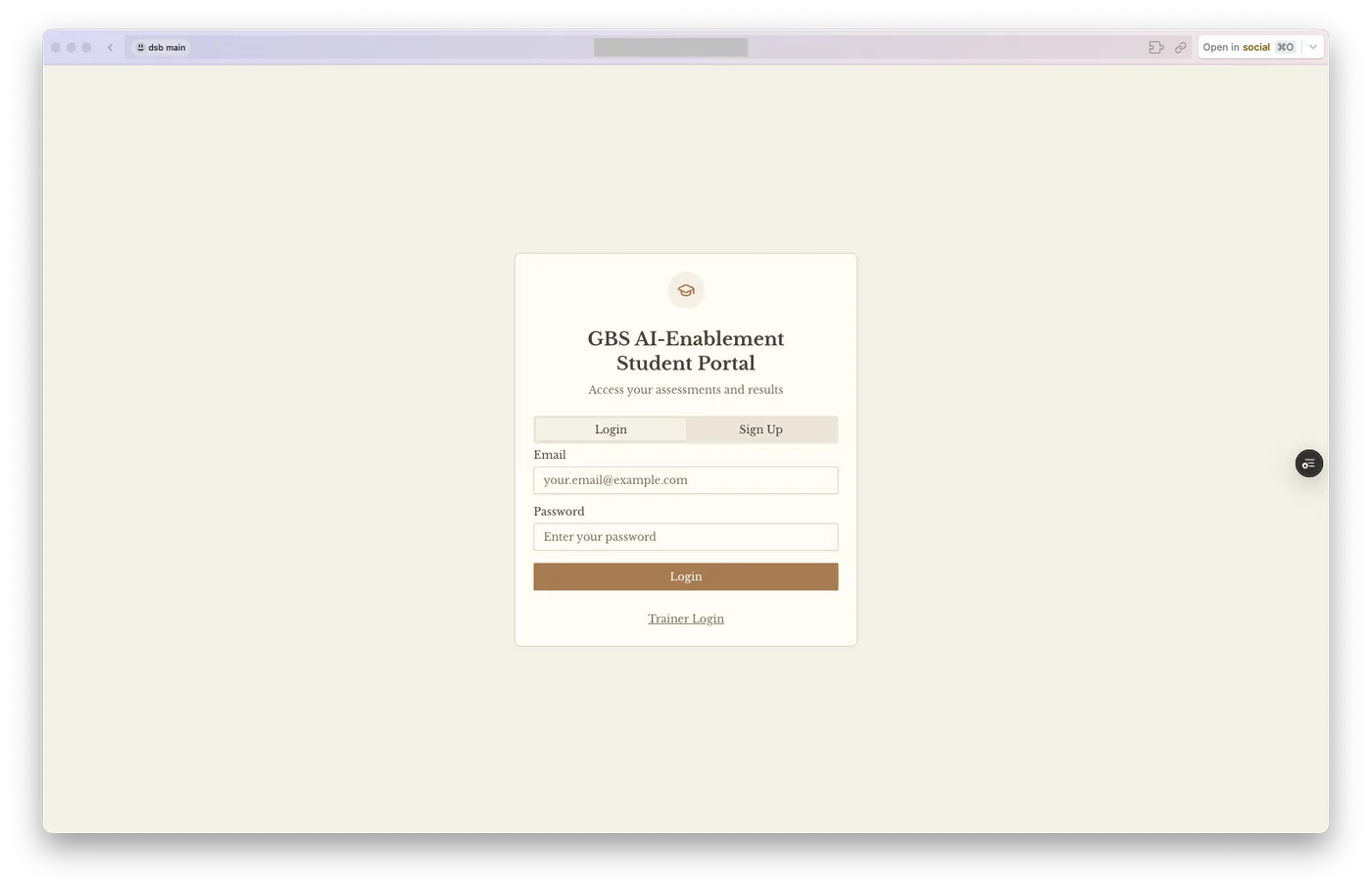
What this means for you and your organisation
If you took the original post as an invitation to look more consciously at your own digital ability to act, then DigComp 3.0 is the updated map for it. The direction stays the same: we need empowered, reflective people who are able to act in an environment increasingly shaped by AI.
The concrete implications for today:
- Integrate AI: Instead of setting up isolated “AI trainings”, it pays to consistently factor AI into every competence area.
- Broaden strategy: Digital strategies should explicitly address wellbeing, rights and dealing with disinformation, not just tools and processes.
- Create clarity: Competence models can draw on the updated descriptions to define clear expectations and development paths.
DigComp 3.0 thus provides the updated reference framework for exactly the questions I raised in the first post: how do we stay “well” enough in this digitalised world that things can go “well” for us, our teams and our organisations?
DigComp 3.0
Digital Competence Framework (DigComp)DigComp provides a common understanding of what digital competence is, as well as a basis for framing digital skills policy.joint-research-centre.ec.europa.eu · Joint Research Centre
Live long and prosper 😉🖖
Soundtrack (of course): So what?