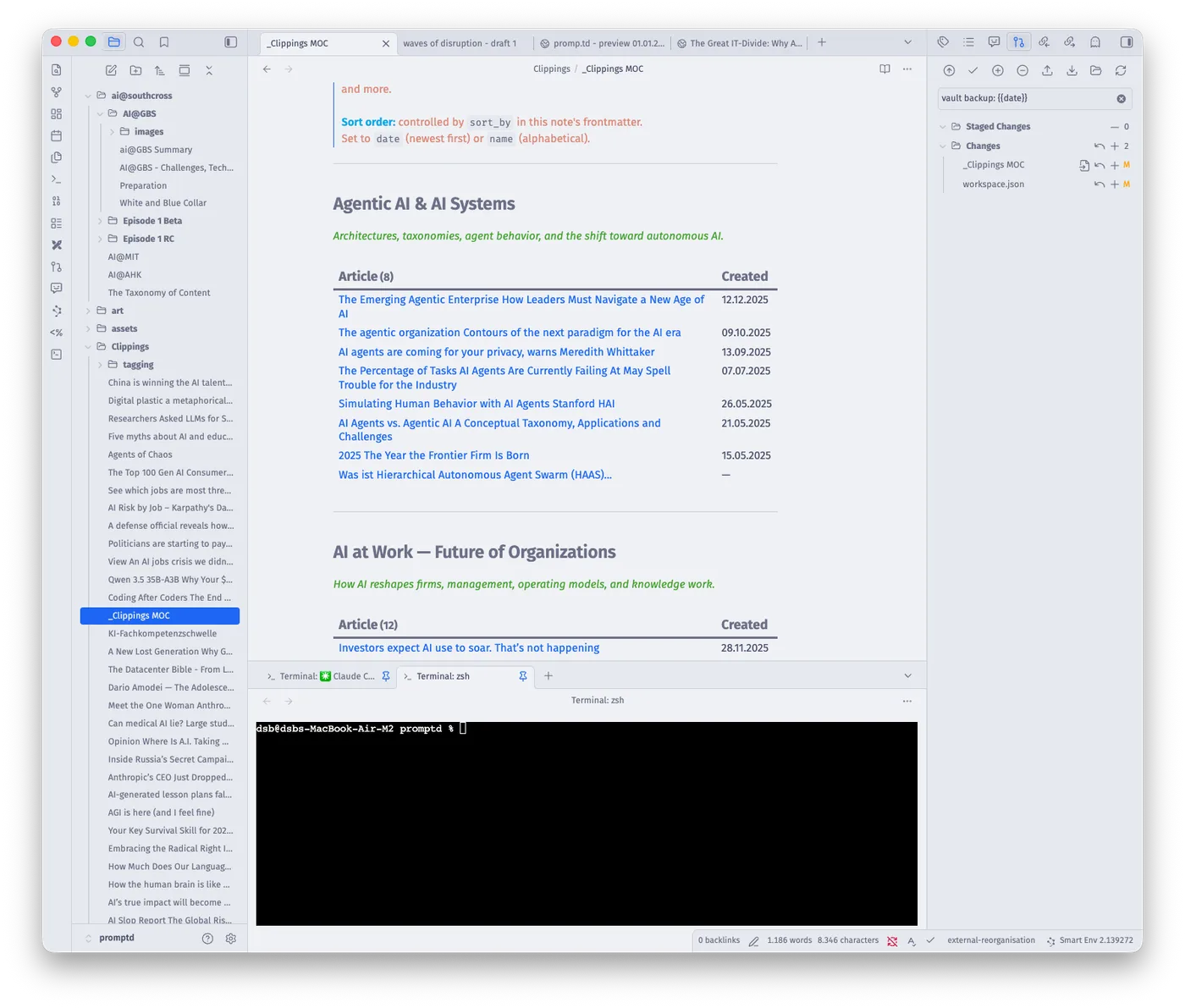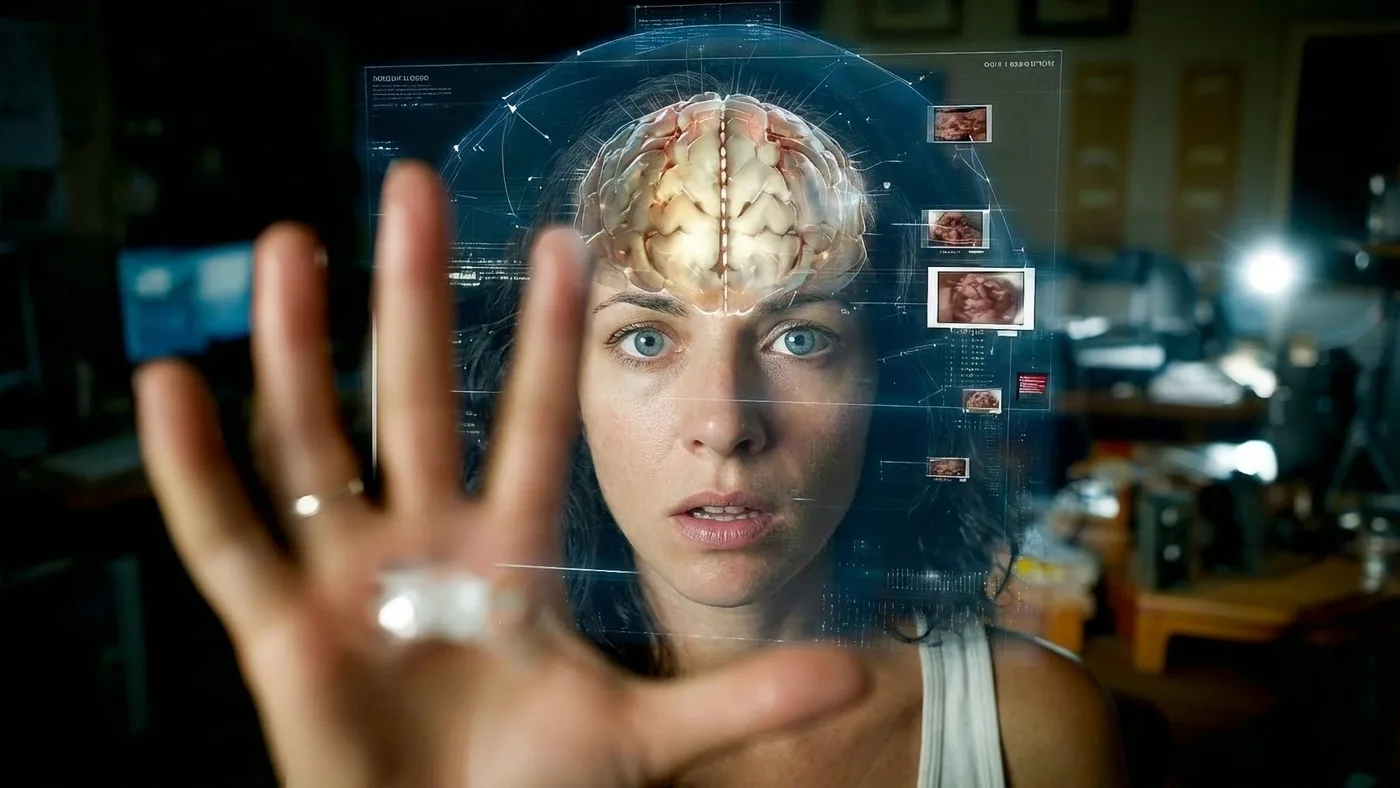
In one of my first articles on this blog, Episode 10.2 - Fishing knowledge in a sea of words without drowning in it 🙂, I closed with a question: if what matters isn't the sheer amount of data (the “drill”) but the concrete insight (the “hole in the wall”), then what exactly is precise, usable information, and how do we produce it for ourselves?
One promising answer to dealing with this flood of information is the concept of the “Second Brain” within personal knowledge management (PKM for short).
From Index Card to Digital Network: Zettelkasten and Second Brain
The term “Second Brain” describes a systematic approach to collecting, organising and retrieving personal knowledge. The underlying idea, however, is anything but new. It can be understood as a modern, digital evolution of the classic “Zettelkasten” principle, made famous above all by the sociologist Niklas Luhmann.
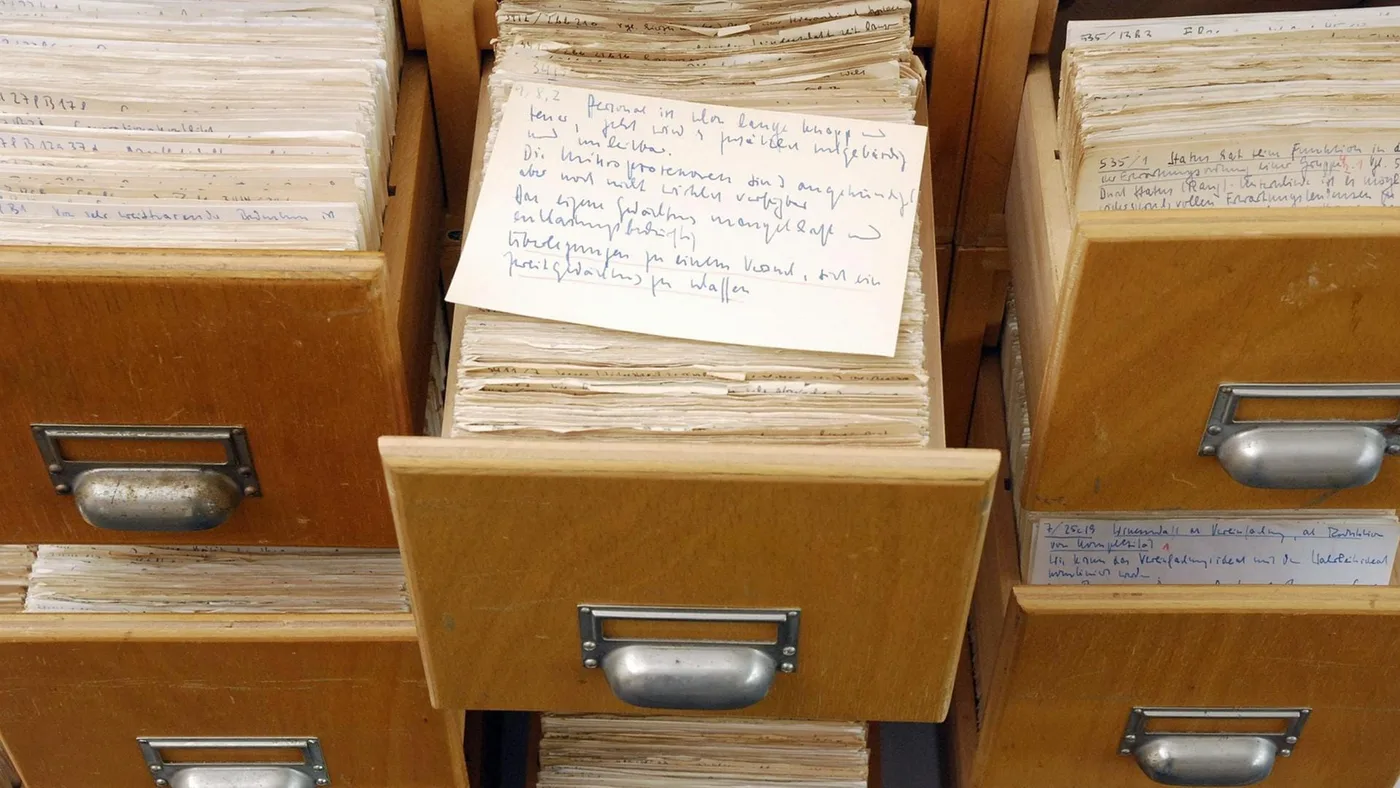
Luhmann recorded his thoughts and reading notes on physical index cards and linked them to one another through an ingenious numbering system. His aim was to make connections visible between entirely different subject areas.
The Second Brain carries this approach into the digital world. Both concepts share one central purpose: they are meant to be a growing network of ideas rather than a rigid reference work, a place where information is stored and linked so that it later supports your own thinking, writing and decision-making.
The Foundation: Offloading Information
The basic idea of a Second Brain is fairly pragmatic: our biological brain is remarkably good at recognising patterns, understanding concepts and being creative. It hits its limits, though, when it comes to storing large amounts of unstructured information over the long term without errors.
A Second Brain offloads this storage function to digital tools. You collect bookmarks, articles, meeting notes or your own thoughts there. The first result is a central place for everything that seems important to you.
The Limit of Mere Collecting
This is where a conceptual misunderstanding often creeps in. A pure data collection, however well structured, is usually not enough to create real value. An archive alone is not yet a “brain”. If all we do is file information away, we are basically just hoarding data in an orderly fashion.
To turn a PKM system into an actual Second Brain, you need one more crucial component: the data processing layer. You need mechanisms that help “distil” the relevant information from the raw mass you've collected at exactly the right moment.
AI as the Processing Layer
This is where a particularly sensible use case for artificial intelligence shows up. While the PKM forms the data storage layer, AI tools can take over the active processing.
Until recently, building such a processing layer would have required deep programming skills. You would have had to write database queries or code search algorithms to filter your own notes intelligently. Today, modern AI-powered development environments and agents, such as Claude Code, offer far more accessible routes.
“Distillation Logic” in Natural Language
With these tools, you can create specific “distillation logic” to extract the information you want from your own data collections. The didactic paradigm shift here: classic programming skills are no longer strictly necessary.
In most cases it's enough to formulate this logic precisely in text form (that is, in natural language). You might, for example, describe it to the system like this:
“Go through my notes from last month, pick out every passage dealing with technology ethics, and summarise the three most frequently cited arguments.”
The AI translates these written instructions into executable scripts or search operations, applies them to the local data collection and returns the distilled knowledge, again as text.
Conclusion: Optimising the “Knowledge Worker” Process
So a Second Brain often only comes into being through the combination of a well-maintained data collection and an intelligent processing layer you can steer with language. This approach offers a very practical way to make your own unstructured data more valuable.
This brings us closer to a personal-scale answer to the zettabyte era: we build ourselves a system that lets us fish exactly the information we need right now out of the sea of words, without drowning in the sheer mass of data.
As an avid data collector, I've spent the past year refining this method, and in follow-up posts I'll walk through my approach and show how I built my “Second Brain”.